Arkansas duck guns and deer rifles
Shotguns for flooded green timber and Grand Prairie rice fields, the federal rules that come with them, and the rifles that fill deer camps each November.
Stuttgart calls itself the Rice and Duck Capital of the World, and the world's championship duck calling contest has been held on its Main Street every Thanksgiving week for generations. The reason is geography. The Grand Prairie and the Delta sit under the Mississippi Flyway, the rice fields hold waste grain, and the bottomland oak flats along the Cache, the White, Bayou Meto and the Black River flood in winter. Mallards drop through the treetops to feed on acorns. Hunting them there, standing against a trunk in thigh-deep water, is something few other places on earth offer.
General information, not legal advice. Waterfowl rules come from the U.S. Fish and Wildlife Service and the Arkansas Game and Fish Commission (AGFC), and deer rules from AGFC. Dates, bag limits and area rules change every year. Read the current guidebooks at agfc.com before you hunt.
What makes a good timber gun
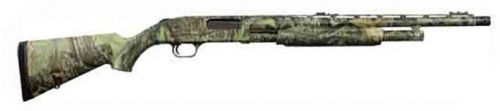
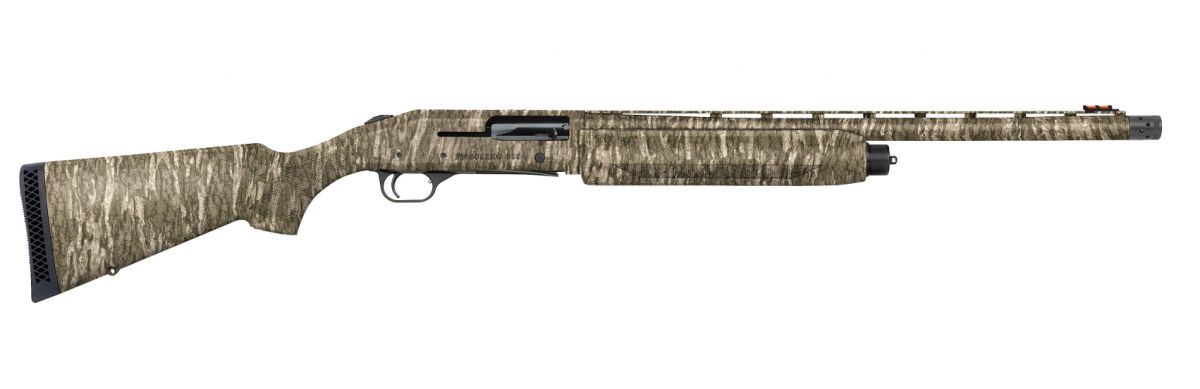
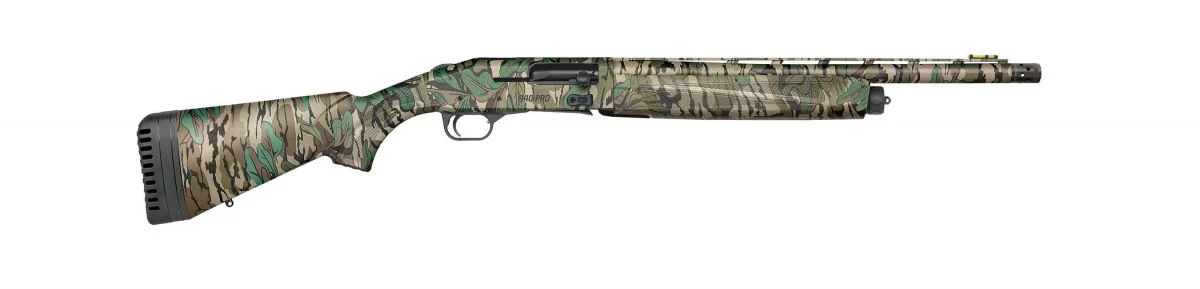
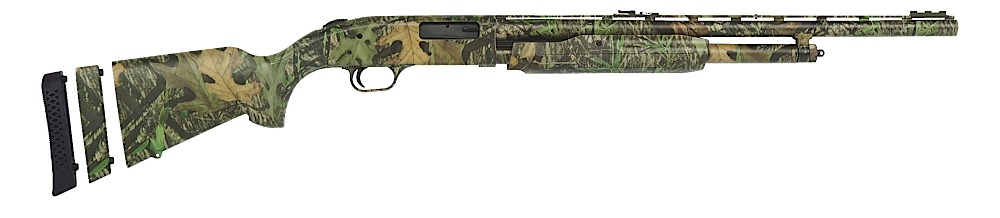
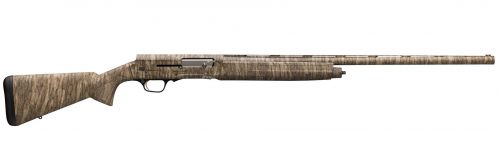
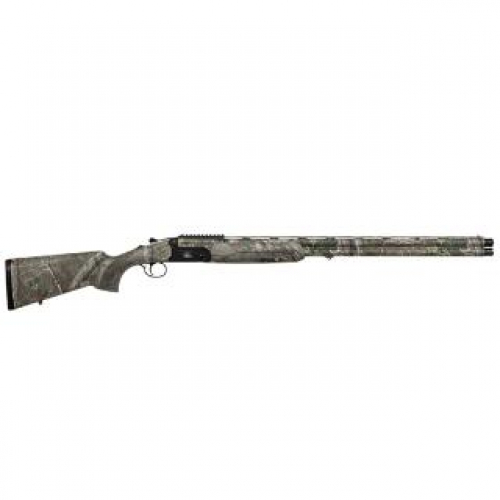
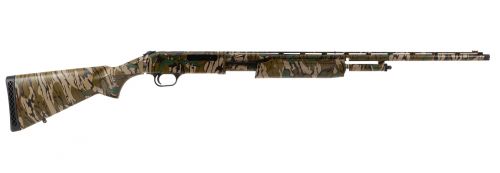
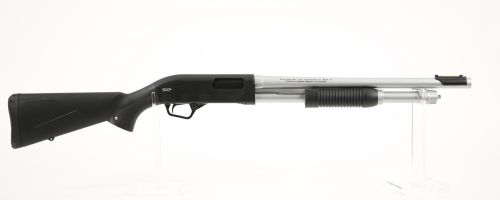
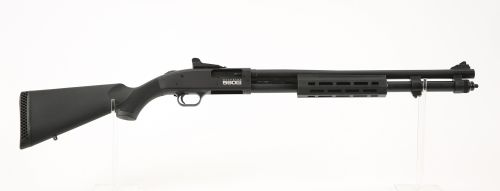
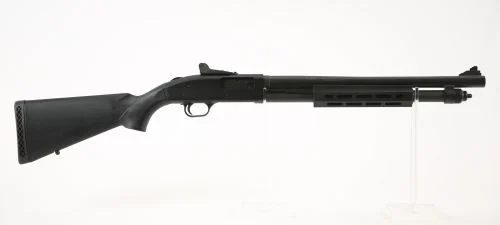
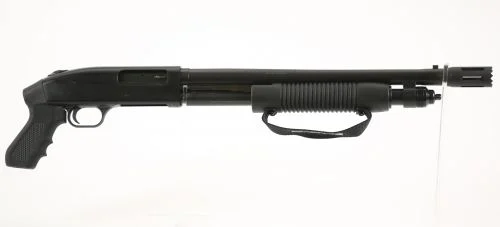
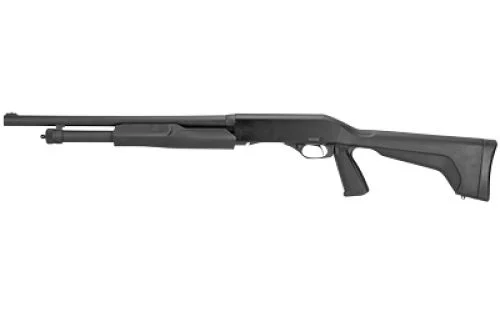
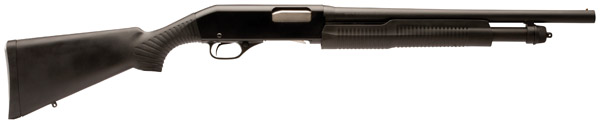
Timber shooting is close and fast. Birds appear in gaps in the canopy at 15 to 30 yards, and you often shoot with your arms up and one foot stuck in gumbo mud. Four things matter.
- Reliability when wet and dirty. The gun will get dunked. Inertia and well-sealed gas semi-autos both work, and a pump never cares. Whatever you buy, strip and oil it after each hunt.
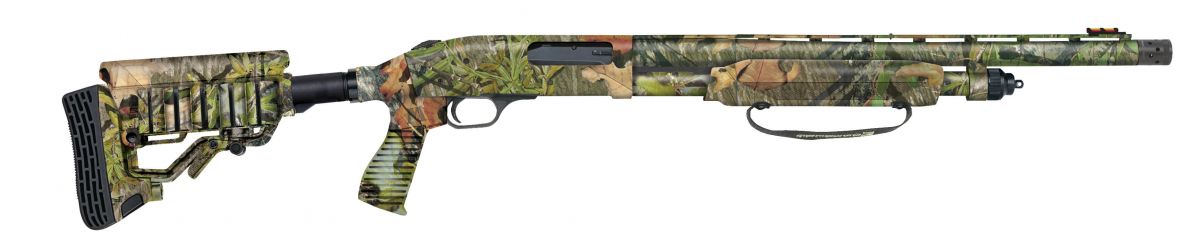
- A finish that survives. Camo dip or a cerakote-style coating over the metal is about rust, not hiding. Blued steel and walnut look right at deer camp and sad after a season in the water.
- A 26 or 28-inch barrel. Shorter swings easier among the trunks; longer smooths out field shots.
- A sling. You need both hands for decoys, a wading staff and a dog.
Steel shot, chokes and loads
Non-toxic shot is the law for all waterfowl hunting. Steel is lighter than lead, so go up two shot sizes from what your grandfather used: No. 2 or No. 3 steel for mallards in the timber, BB or No. 1 for geese and late-season field birds. Bismuth and tungsten blends hit harder and cost more, and they are kind to older barrels that were never rated for steel. If you are buying a used shotgun, confirm the barrel and chokes are steel-rated before you run steel through it.
Public land has extra rules
Much of the famous timber is public: Bayou Meto, Dave Donaldson Black River, Henry Gray Hurricane Lake and other wildlife management areas, plus the Cache River and White River national wildlife refuges. AGFC and the refuges layer their own rules on top of the statewide ones. Over the years these have included shooting hours that end at noon, limits on how many shells you may carry, boat-motor restrictions, and permits and restricted days for non-residents. They change often. Look up the specific area in the current AGFC guidebook, and the refuge's own brochure for federal land.
Deer: modern gun season
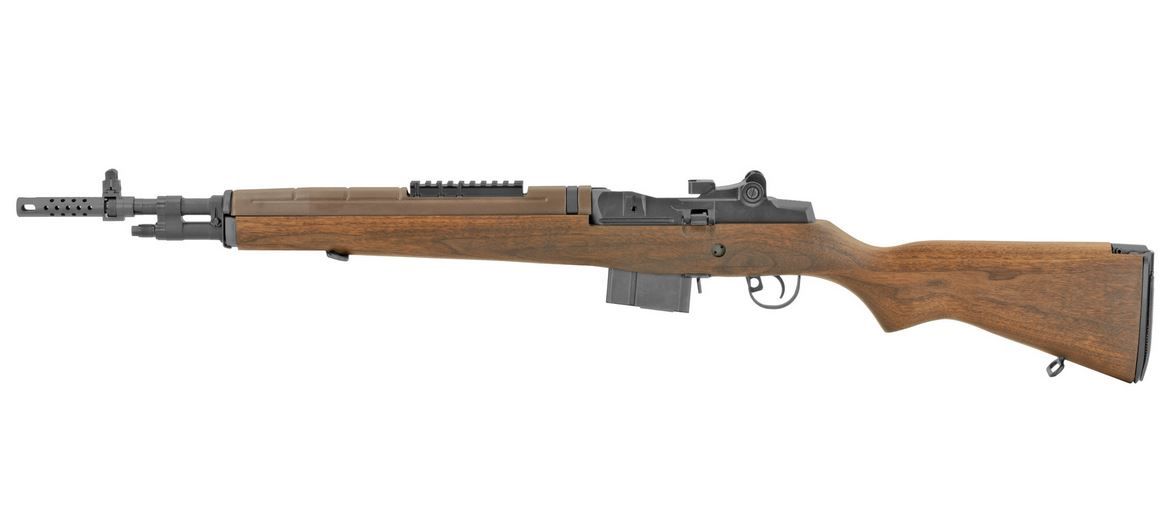
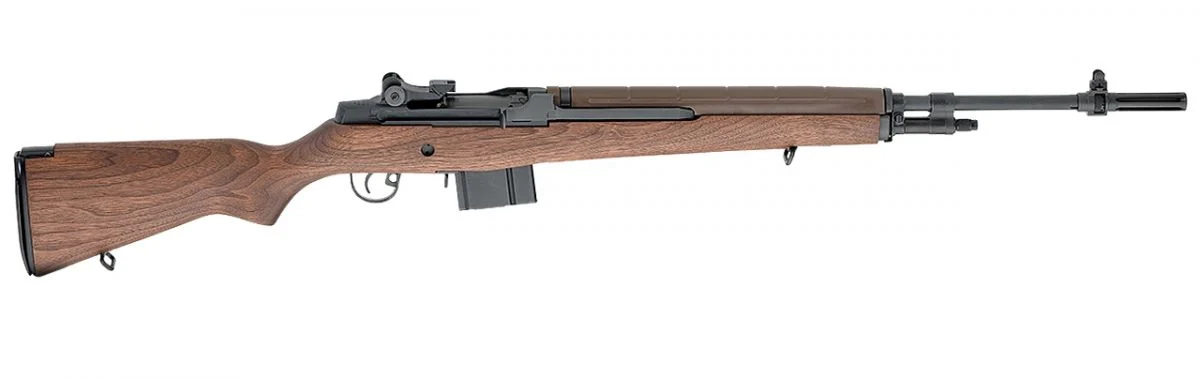
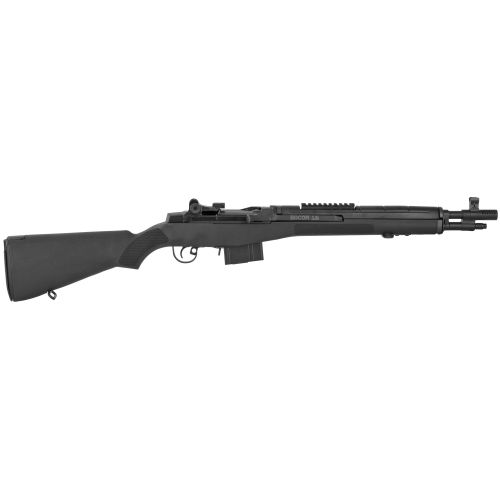
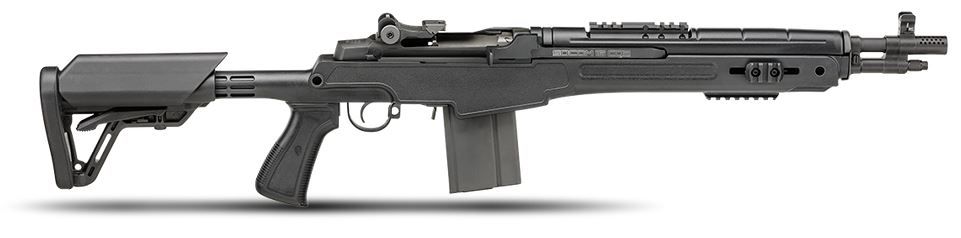
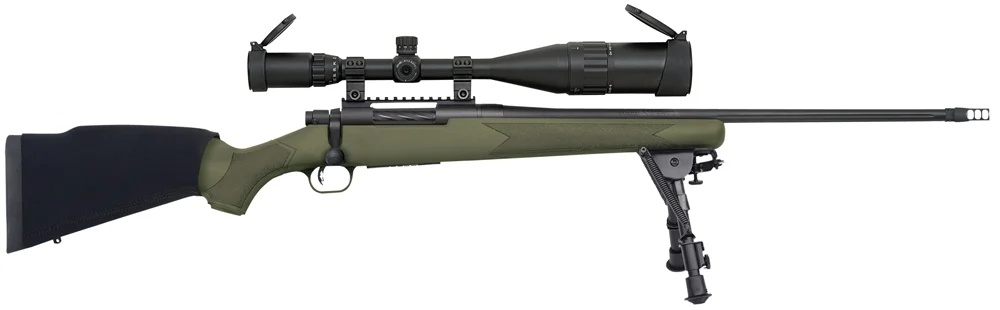
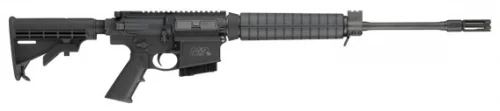
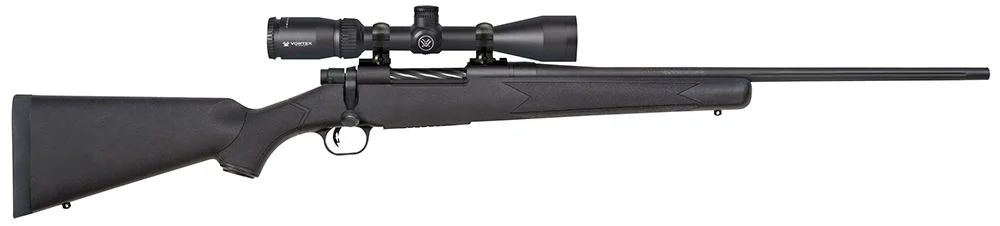
Opening morning of modern gun season is close to a state holiday. Arkansas is thick country: pine plantations in the Gulf Coastal Plain, hardwood bottoms in the Delta, steep oak and hickory hollows in the Ozarks and Ouachitas. Most deer are shot inside 150 yards, many inside 75, and that is why the classic deer-camp rifles have never gone out of style.
- .30-06 and .308: the standards. Ammunition is in every hardware store from Hope to Pocahontas.
- .270 and 6.5 Creedmoor: flatter and softer on the shoulder, a good pick for power-line rights-of-way and bean fields.
- .243 and 7mm-08: mild recoil for young and small-framed hunters, with enough bullet for whitetails when the shot is placed well.
- .30-30 lever guns: still ideal in the pines and cutovers where nothing is further than 100 yards.
AGFC divides the state into deer zones with their own dates, bag limits and antler-point rules, and lists the legal firearms for each season in the guidebook. A few zones in the Delta have historically restricted rifles, so check yours. Part of north Arkansas is in a chronic wasting disease management zone with carcass-movement and feeding rules. Every deer must be checked through AGFC's game check system, by phone, app or online, within the time limit the guidebook gives. Hunters born after 1968 need hunter education to hunt on their own once they reach 16.
How buying works
Order here and name a licensed dealer near you, whether that is in Stuttgart, Jonesboro, Little Rock or Fort Smith. The shotgun or rifle ships to them. You complete ATF Form 4473, the dealer runs the NICS check, and with no waiting period in Arkansas you normally leave with the gun on that visit. Buyers must be 18 or older for a long gun. Shotshells and rifle ammunition ship to your door. Shipping and transfer details.
What people buy for the season